 Zensawork Team
"Digital transformation" sounds like something for large corporations with large budgets. For a business with ten to two hundred people, it means something simpler and more practical: making sure your website, marketing, sales and operations run on systems that work together, so growth does not depend on heroic effort.
What digital transformation means for a growing business
It is not about buying more software. It is about redesigning how work flows, from the moment a prospect first hears of you to the day they become a repeat client, and then choosing tools that support that flow. Done well, it reduces manual work, improves the customer experience and gives leadership reliable numbers.
Signs you have outgrown your current setup
- Important information lives in spreadsheets and personal inboxes
- Different reports give different answers to the same question
- New staff take months to learn "how things are done"
- Leads and customer requests are sometimes forgotten
- You pay for tools that nobody uses properly
Want this working in your business? Tell us where things stand and we will suggest the first step.
No obligation. We’ll reply within one business day.
Step 1: Start with the customer journey, not the software
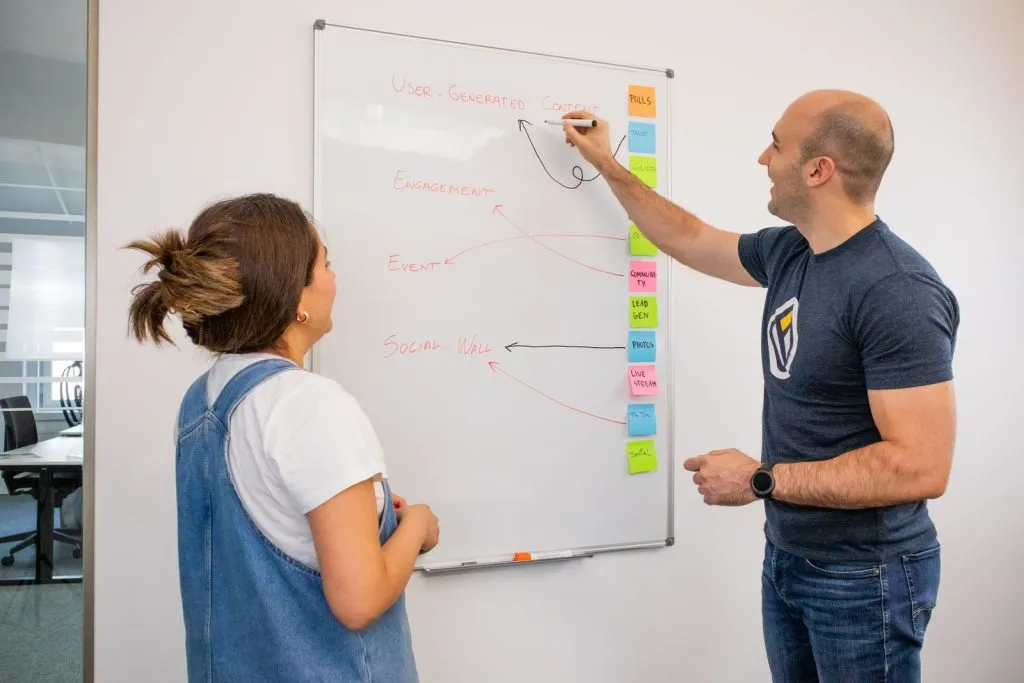
Map how customers find you, enquire, buy and come back, and note every hand-off between people and systems. The weak points in this map, not a vendor's feature list, should decide what you change first.
Step 2: Put a number on the current way of working
Estimate the hours spent on manual tasks, the enquiries that go unanswered and the errors that need fixing. Even rough numbers make it much easier to prioritise and to justify the investment.
Step 3: Fix the foundations first
Most businesses get the biggest return from three foundations: a website that converts, a CRM that captures and follows up every lead, and tracking that connects marketing to revenue. Automation and AI deliver far more once these are in place.
Step 4: Sequence the work in phases
- First 90 days: fix lead capture, CRM basics and tracking
- Months 3 to 6: improve the website, connect key systems and automate follow-up
- Months 6 to 12: add AI assistants, deeper integrations and advanced reporting
Step 5: Plan for adoption from day one
New systems fail when people quietly go back to the old way. Give each system an owner, train people on the parts they use, document the process and review adoption a month after launch.
Questions to ask any agency or consultant
- Will you start by understanding our process, or by recommending a platform?
- Who will actually do the work, and will we meet them?
- How will you measure whether this has worked?
- What will our team need to do, and how will you train them?
- Who owns the accounts and data at the end?
If you would like an outside view of where to begin, our digital strategy and transformation service produces a clear, phased roadmap based on an audit of your current setup.